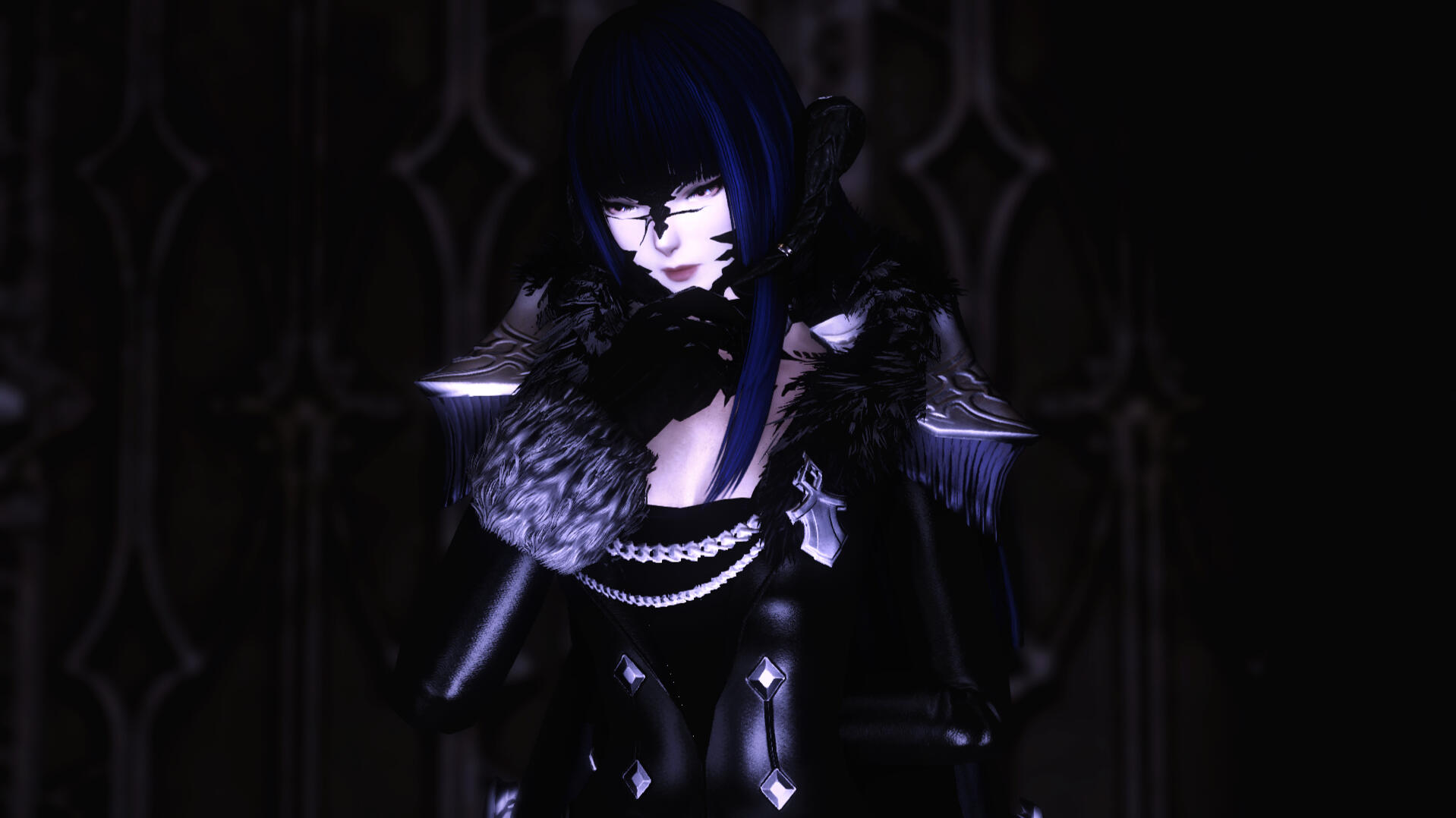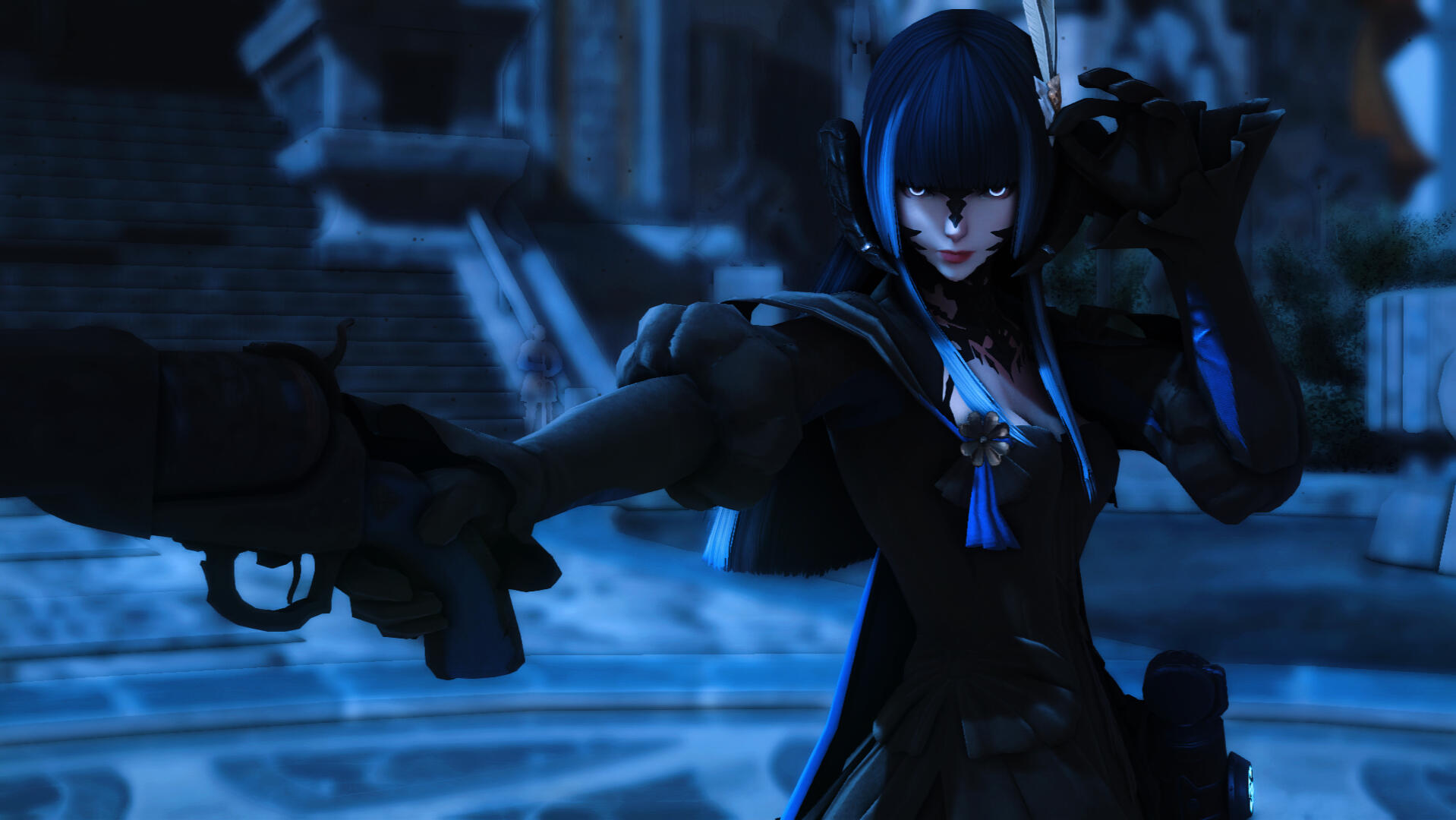
Veylathra Nox
“The Gilded Thorn of Ul'dah”
Machinist • Diplomat • Strategist
“I don’t wage war. I rewrite the board.”
About
Race:
XaelaAffiliation:
House Nox (Ul’dah) | Former Machinist Apprentice, IshgardRole:
Diplomatic Operative | Political Saboteur | Aetheric EngineerWeapon:
Sélène — a custom aether-channeled firearmSignature Colors:
Black & Royal BlueShort Description:
Daughter of nobility turned precision tactician. She speaks in veiled threats and acts in silent coups. Trained in Ishgard under disgraced brilliance, Veyla returned sharper than before—dancing in courtrooms, hunting in drawing rooms.
Backstory
Her Own Thoughts
Hooks
Political intrigue
Secret alliances or vendettas
Exchanging debts, justice, or forbidden tech
Contact
Welcome to my Story....You want to know more or think you can read me?We will see...
⚔️ The Gilded Thorn of House Nox
As told by Veylathra Nox
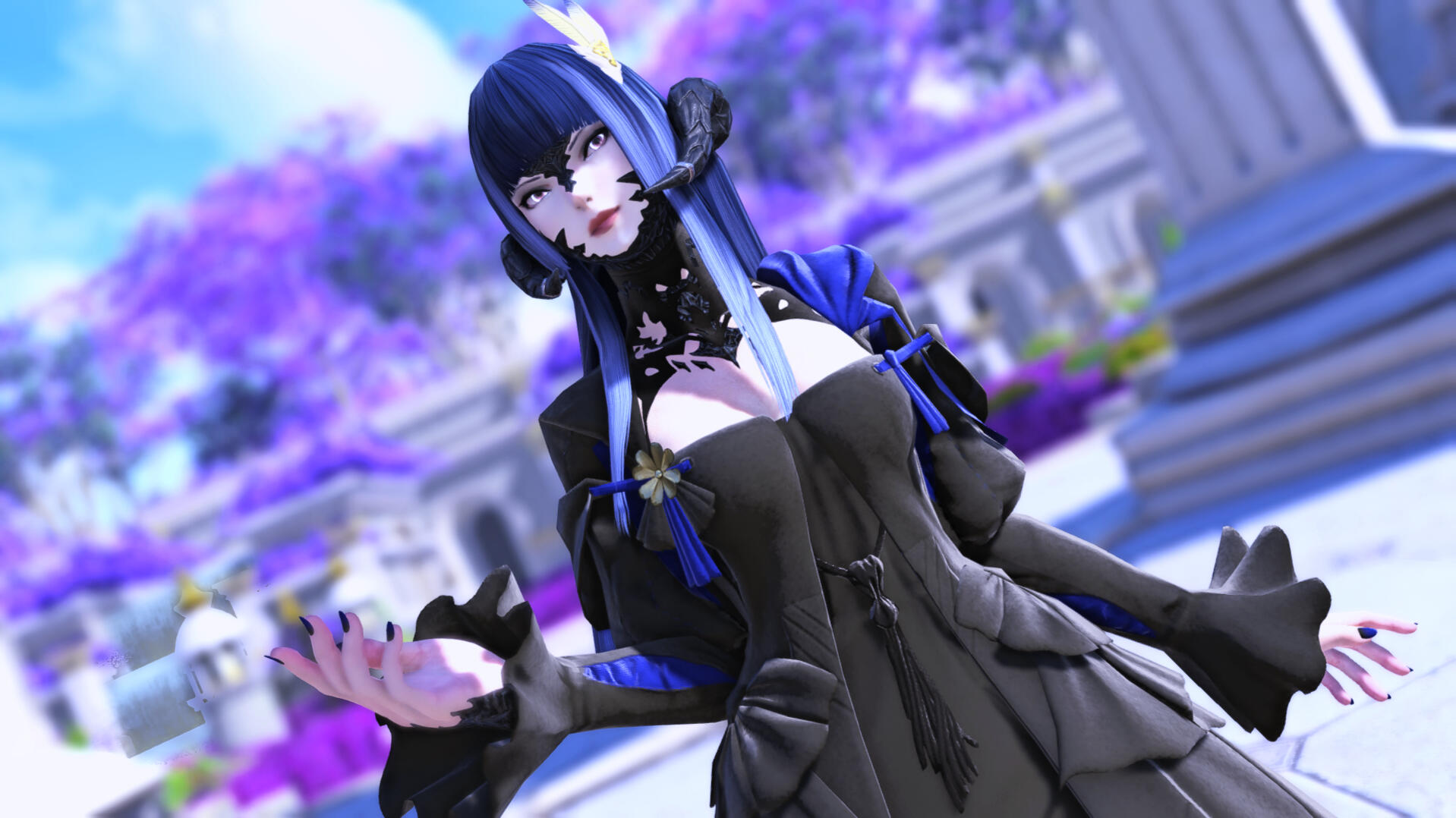
There are many ways a girl can be useful to a noble house. I was trained to be all of them.House Nox, one of Ul'dah's oldest bloodlines, clothed me in silks and expectation. I was the youngest daughter—not meant to rule, only to glitter. They dressed me like a secret. An ornament to be placed precisely where her beauty might do the most good: beside some lecherous merchant's heir, or across from a visiting diplomat, quiet and smiling. They mistook my silence for docility. They mistook my composure for consent.But I listened. Gods, I listened. To every deal struck in hushed corners, to every insult laced in compliments, to every false smile that tried to tame me. And as I danced the part they wrote for me, I sharpened my mind like a blade hidden in the folds of a gown.They taught me to charm. I learned to control. They meant to make me invisible. I became indispensable.
🥀 The Cold Orchid
As remembered by Veylathra Nox
My mother was a woman carved from ice and lacquered in gold.In public, they called her The Orchid of Ul’dah—a compliment, they claimed. But orchids are high-maintenance things. Poisonous, too. She smiled like a woman who had never bled, and when she touched you, it was only to correct your posture.She did not raise me. She sculpted me.I do not recall lullabies. Only posture rods. Only her fingernails digging into the back of my neck when I slouched. Only the weight of expectation hung over my shoulders like a mantle sewn from lead. I existed as a reflection of her ambitions. Not a child. An investment.My earliest memory of her is not of being held, but of being measured.“Too tall for your age,” she said, adjusting the hem of a dress that pinched my ribs. “Men do not like women who look down on them. Duck your chin.”She meant well, perhaps. In the same way a falconer means well when they hood a hawk—to tame it.When I failed, I was punished in silences and withheld approval. When I succeeded, I was not praised, only reminded: “As you should.”Once, at ten, I brought her a poem I’d written in secret—something raw and clumsy, but mine. She read it, once. Then folded it and lit it with the flame of her perfume lamp. Her voice didn’t rise above a whisper.“Emotion is a luxury we cannot afford.”I learned not to bring her softness again.There were worse moments. Ones I carry like splinters under the skin.At fifteen, I overheard her discussing my “market value” to a visiting suitor’s aunt—my hips, my skin, my temperament, like she were cataloging a prized filly. I confronted her, shaking with rage, and she laughed. A brittle, perfect laugh.“If you were truly clever, you’d understand that I’m offering you power. Just not the kind you imagined.”Later that night, I stole one of her rings—an heirloom—and melted it down in my workshop. It’s part of Sélène’s trigger now. I thought she'd notice. She never did.She didn't see me.She saw what I was supposed to become: a wife, a mirror, a chess piece in silk. That I had blood and will and teeth beneath the veneer—that I burned—was not only inconvenient, it was insulting to her design.There were no goodbyes when I was sent to Ishgard. No tears. Only a last glance across the estate's marble foyer.“Don't embarrass us,” she said. “At least try to look like a Nox.”I did.I looked exactly like a Nox.And I made sure it scared the hell out of them.
🩸 The Marriage Pact
As told by Veylathra Nox
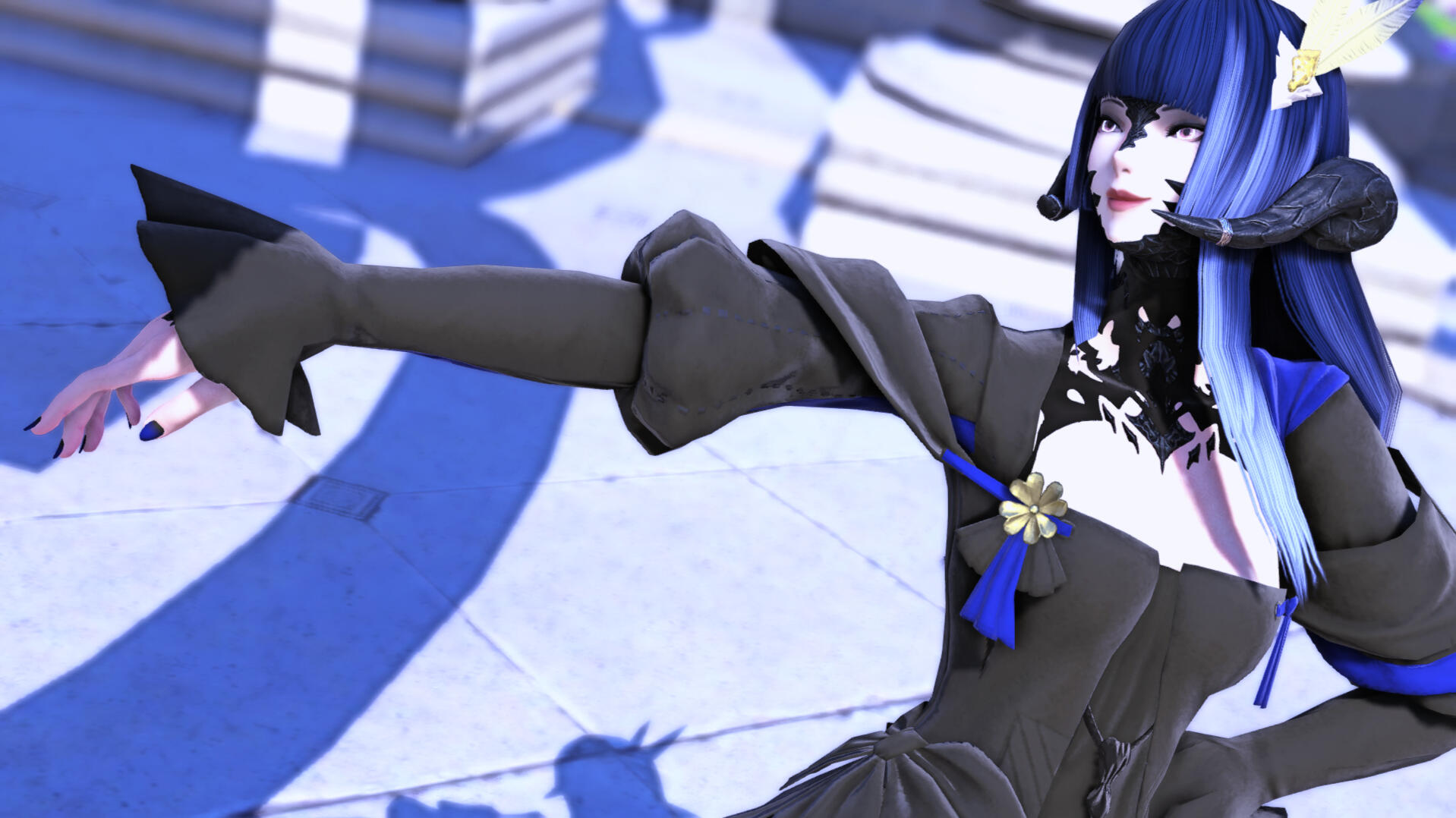
The shift came slowly. First, I requested books—engineering manuals, diagrams of firearms. A trifle, I claimed. A curiosity. They indulged me. A girl could play at mechanics the way she might at embroidery or watercolor.Then, I asked to visit the brassworks. I liked the way gears moved—precise, unforgiving. Unlike people.Of course, such interests were unseemly. So I kept them quiet. Hidden blades, modified hairpins, pressure triggers sewn into the lining of sleeves. My brothers practiced saber drills for a war they would never fight. I, instead, dismantled pistols in darkness, blindfolded, counting seconds between each piece snapping into place. It gave me clarity—control.But nothing prepared me for the letter.My hand—offered to the son of a merchant prince. A contract draped in velvet and sealed in wax. No one spoke to me before the terms were set. My name was inked between dowry figures and land claims like an afterthought. I was to become leverage. A womb wrapped in Nox colors.I did not rage. I did not weep. I simply went cold.That evening, I invited my father to his own study. A room I’d been told all my life was not mine to enter unless summoned. I entered anyway. Poured two glasses of red.He looked up from his desk with mild irritation. “You should be preparing,” he said. Not unkindly. Not cruelly. As though the matter had already passed out of my hands.I placed a loaded pistol on the desk between us.No words. Just that.He blinked. Once. Twice.He looked at the glass. Then the pistol. Then me.I could see it then—the calculation behind his eyes. Not fear, no. He never feared me. But he began, perhaps for the first time, to consider me.“You would not shoot me,” he said, calmly.“No,” I replied. “I would choose a more elegant end.”Silence settled. Heavy. Familiar.I watched him wrestle with tradition and ambition. I watched the idea of me—his youngest daughter, the polite shadow in the corner—become something unfamiliar. Something dangerous.He did not touch the glass.The marriage was cancelled.Afterward, things did not return to peace. One of my brothers petitioned for my removal, citing ‘moral deviation.’ A cousin tried to blackmail me over forged letters and fabricated liaisons. He disappeared weeks later. They said it was thieves. It wasn’t.Our family, of course, needed a solution that preserved face. I was “refined abroad.” Exiled with grace, the way nobles punish their own when execution is too public.Ishgard, they decided.They thought I would learn humility.Instead, I learned how to kill with elegance.And I never poured wine for a man again.
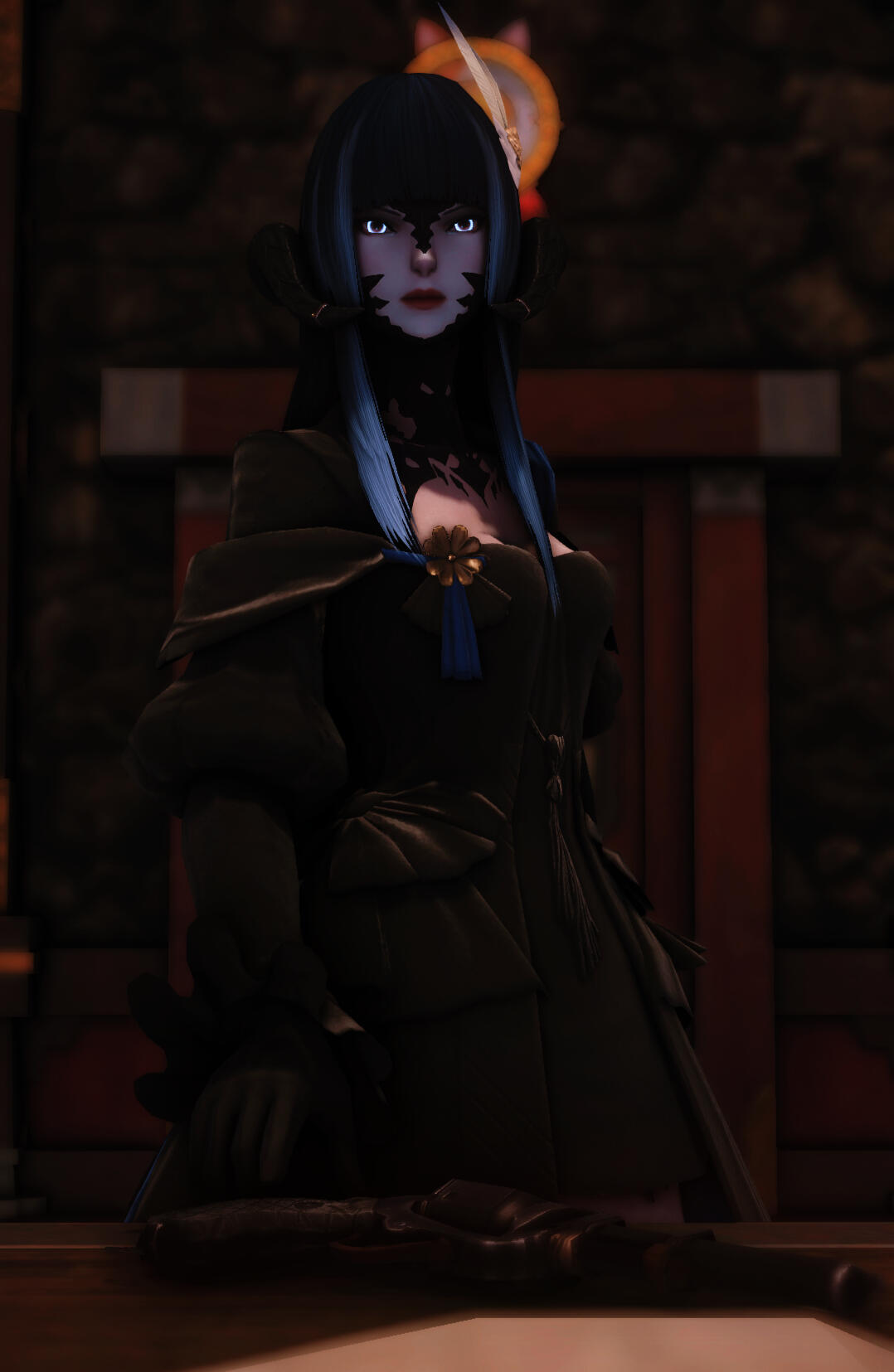
❄️ Exile in Ishgard
As told by Veylathra Nox
The family, of course, needed a solution that saved face. So I was “refined abroad.” Exiled, in the soft velvet way only nobles can manage. Ishgard, they said. Learn restraint. Learn humility.Instead, I found Lord Thorne Deviare—a man brilliant enough to be dangerous, and disgraced enough to teach without pride. He saw the precision in me. I saw the rust in him. He became my mentor. My rival. My final test.I challenged him to a duel sanctioned by Ishgardian code.I won.But that wasn’t enough for me.In the frost-bitten halls of House Dzemael, I also discovered something else: the art of machinistry. While wandering during a formal gathering, I slipped into a private demonstration hosted by Stephanivien de Haillenarte, the eldest son of House Haillenarte and the pioneering inventor of the machinist discipline. He taught forbidden techniques in magitek and marksmanship to outcasts and visionaries.What began as curiosity became obsession. Stephanivien recognized my raw talent—and took me in as an apprentice.
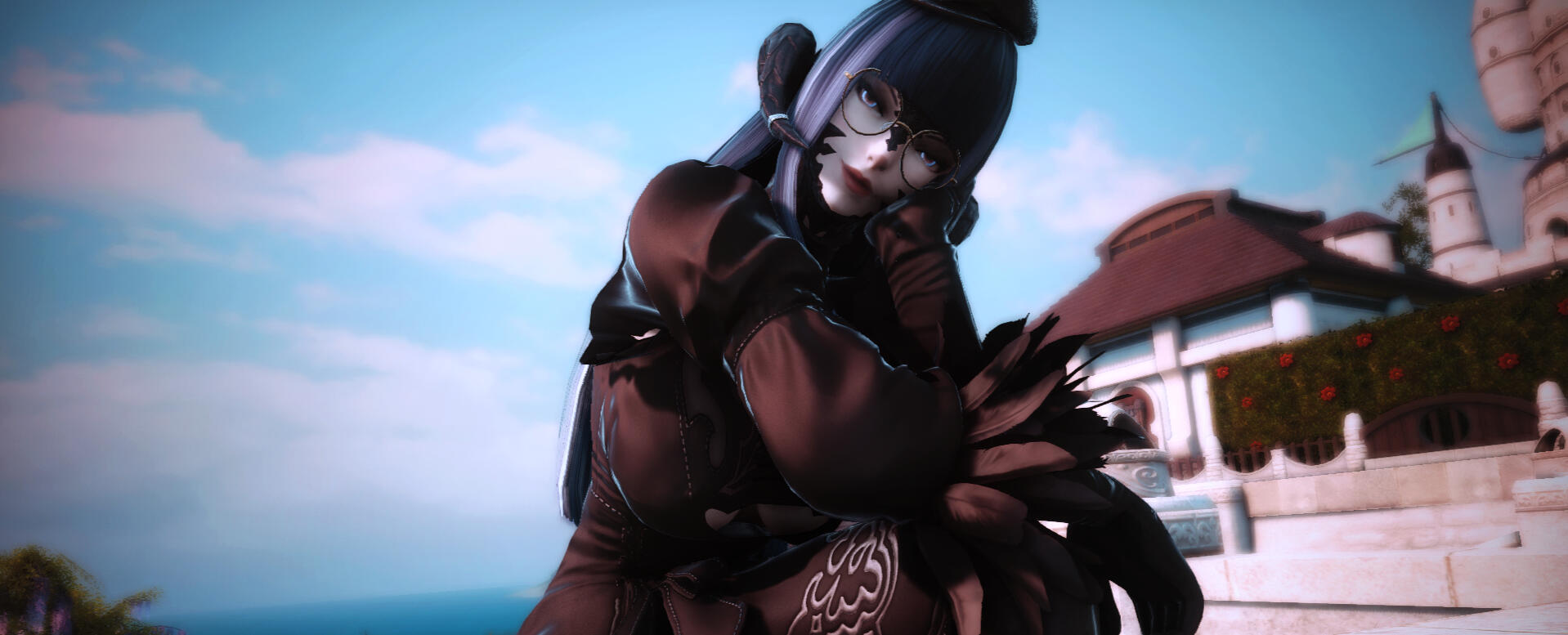
🔧 Sélène: The Birth of Precision
As told by Veylathra Nox
I never named a weapon before Sélène. But then again, no blade, no bow, no borrowed gun ever truly belonged to me until her.I remember the bitter wind whipping through the spired rooftops of Ishgard, biting through even the thickest cloak, when I descended into the old Frostshore Forge beneath the city. The cavernous hearth lay cold and empty—long since abandoned like so many of my family’s honors. My father’s dueling blade, once the pride of House Nox, hung rusted on a battered rack, a monument to a man too proud to teach and too cruel to praise. His legacy rotted under our roof like the mildew-stained tapestries in the great hall.But I wasn’t there for ghosts. I was there to forge a future of my own design, and Ishgard’s forge was the only forge I could claim.The idea of the gun came to me in fragments: the crack of cannon fire echoing off the Thunder Plains, each shot a life or death decree. In the workshops of the Dravanian foothills, I’d watched the gunners of the Holy See calibrate powder charges with exacting care. I remembered the clank of tools at Master Thorne Deviare’s bench—his heavy accent thick with disdain as he corrected my every move. The recoil still bruised my palm from the first flintlock he’d let me fire. I hated that man, but I learned from him. Hate, like love, teaches discipline when wielded with intent.I began with the frame—no, the soul. Here in Ishgard, I scavenged mythril shards from melted-down lancers’ spears and bartered for plates of aether-hardened steel at the Stonesmiths’ Guild beneath the arches of Foundation. Each billet I tempered at Frostshore’s forge, coaxing the metal to life with salted steam. The barrel had to be perfect. The chamber tight. No margin for error—just like me.Yet Sélène was never meant to be just a weapon. She was a proclamation.So I enlisted help. Discreetly.Eloine, a clockwork artisan exiled from the Desperate Dunes but now eking out a living in Ishgard’s lower tiers, carved the aetheric channeling grooves along the receiver. “Overload it wrong, and it’ll burn hotter than a dragon’s wrath,” she warned, eyes gleaming by torchlight. I paid her lavishly and told her to risk it.Jadzyn, once a scrapped-hull engineer in the salt-mines of Coerthas, slipped me the recoil-dampening coil hidden inside the grip. “Custom-vented pressure screw,” he smirked, twisting a tiny spanner. “Gives you elegance and bite.”But the final touch—the etching—I did alone.By moonlight, in the stillness beneath the vaults of the forge, I drew my finest graver and carved her name: Sélène. Not for the Roman moon-goddess, nor for any saint of Ishgard. For the silence that follows her shot. For the way she never screams when she strikes, only whispers steel and intention.Her blue-gleam finish wasn’t paint nor polish but a residue of my will—my breath condensed in the frozen-forged steel. I remember lifting her, fully assembled: balanced, lethal. A weapon, yes, but refined—an Ishgardian heirloom reborn in my hand.At dawn, I test-fired her into the mist that clung to Foundation’s ramparts. The shot split the cold veil like prophecy. The recoil was not a shove—only a whisper, a promise.Sélène would speak for me in places where my name meant nothing. She’d remind them I was neither cast-off daughter nor exiled noble—I was the maker of destinies.And as I holstered her at my hip beneath the Frostshore arches, I whispered—no prayer, no oath—but a vow of ownership and of purpose:“You are mine, and I am no one’s shadow.”
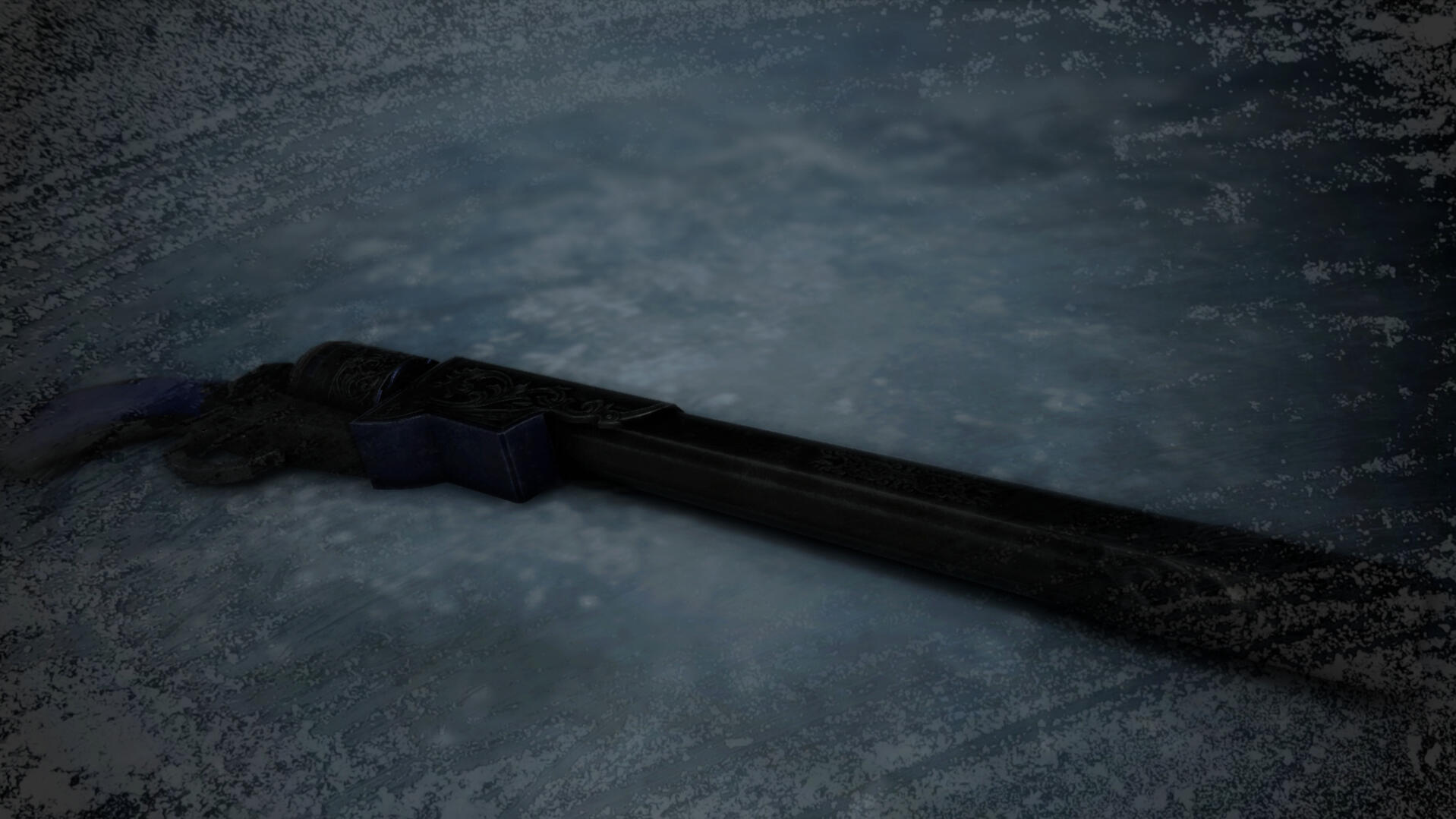
❄️ Ashes in the Snow
A farewell to Ishgard, by Veylathra Nox
Snow fell like secrets over the Brume.I stood on the edge of the Steel Vigil’s wind-scoured parapet, boots slick with frost, coat drawn tight against the Ishgardian chill. One year. That’s all it took. Long enough to be forgotten by Ul’dah, short enough to be underestimated by everyone here. Perfect.They called it refinement. I called it exile dressed in etiquette. A year of cold halls, clipped greetings, and the ever-hovering assumption that I was someone to be polished, softened, contained.But even a year is long enough for a weapon to be honed.And now, I was leaving—with Sélène at my hip, my debt repaid in silence, and a trail of unspoken goodbyes wrapped in precision.To Stephanivien de Haillenarte, who had first doubted my resolve and then dared to test it—I left a note folded inside the blueprint we once fought over for nights straight:“You weren’t wrong. But neither was I. Thank you for the tension. It taught me restraint. I’ve recalibrated your pulse-core by 0.03. You’re welcome. —V.”Alongside it: a sealed steel component etched with both our initials, small enough to go unnoticed unless you knew what to look for. It would fit only one prototype. He’d know which.I hoped it made him curse. Fondly.To Emmanellain, the foolish younger noble who followed me around like a curious hound, I sent a crate of wine chilled with Ishgardian snowmelt and an empty bottle labeled:“For the next time you try to impress someone with your idea of taste. You’re loud, ridiculous, and occasionally useful. Try not to die. —V.”Hidden in the straw was a brass automaton: a tiny dancer who spun when wound, her skirt fashioned from filigree gears. Her fan bore the Nox crest, just discreet enough to be scandalous.To the forge assistant who never learned my name, I left a velvet-wrapped set of custom tools—sharpened, weighted, worn in just enough to feel like a memory. Alongside it, a scorched note:“You hold your breath when you solder. Stop that. Precision is rhythm. Not panic. Consider this repayment for all the late-night silence we shared.”He’d likely think it a gift from someone else. That was fine. Better, even.I gave no farewell to Stephanivien directly.He would find the component. He would understand. Words were cheap. What I left behind would function.Before I left the city, I returned to the vault—the place where I’d first witnessed magitek bloom like fire caught in a heartbeat. I knelt in silence and carved a sigil into the stone, hidden beneath the paneling of the worktable.Not a signature. A warning.A parting gesture, laced with both gratitude and menace. Very me.As the airship creaked beneath me, rising toward Thanalan’s sunburnt sky, I didn’t look back. Ishgard was not a place for sentiment. It was cold, calculated, and built on the backs of forgotten names.And I had just made sure mine wouldn’t be one of them.Not by tears.
Not by toasts.
But by precision.
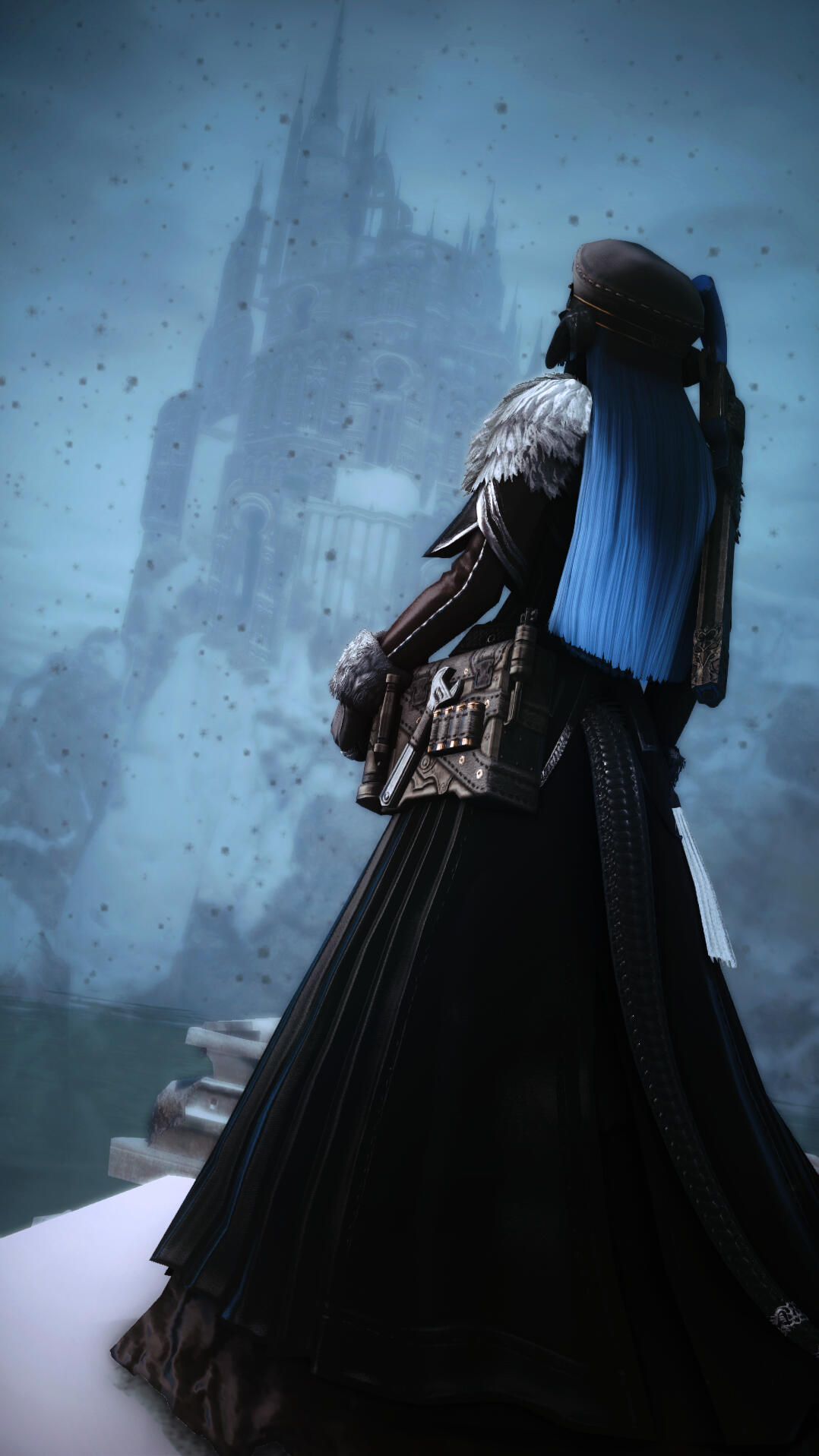
🕯️ The Homecoming — A Thorn Returned
A story of House Nox, told by Veylathra
The gates loomed like judgment.Nothing had changed. Not the sharp twist of the iron, not the crest that caught the desert sun like a dagger, not the guards trained to look past disobedience if it came wrapped in a noble name.But I had changed.My coat whispered across marble as I passed through the manor’s threshold. The scent of old incense clung to the walls like a stubborn ghost—cedar and dried roses. I remembered that smell from childhood, when I would curl under the piano bench to avoid being seen. Listening. Memorizing. Becoming.The house greeted me with silence, wary and unsure. A daughter returned, yes—but not the one they remembered.He was waiting in the study.Of course he was.Father’s sanctuary hadn’t aged a day. Shelves of ledgers, decanters of wine too expensive to enjoy, and the fireplace that never quite warmed the room. He didn’t look up when I entered—he never did unless it served him.“Veylathra,” he said, voice smooth as aged brandy. “Ul’dah has been speaking your name more frequently these days.”“They had to. I made sure of it.”He lifted his glass, but didn’t drink. Just watched me with those calculating eyes. The same eyes that once looked through me when I was thirteen and weeping behind the wardrobe after Mother struck me across the face with her fan. I remembered how he'd stepped over me like I was part of the carpet.I didn’t sit.“Have you come back to cause another scandal?” he asked.I tilted my head. “That depends. Are you planning another marriage behind my back?”Before he could answer, the door opened behind me.His shadow arrived first.Almareth.My brother walked like the house belonged to him—and perhaps it did, by now. His silver-blond hair was swept back, his robes uncreased, his signet ring glinting in the low firelight. He was every inch the heir Father deserved.And every inch the boy I once hated.“Sister,” he said, a thin smile curling his lips. “Still wearing Ishgardian black, I see. Mourning the cold, or just your reputation?”I didn’t turn to him. “I see you still mistake cruelty for wit.”He chuckled. “You mistake stubbornness for power. Some things don’t change.”He circled the room slowly, predator in silk, then paused beside the desk. The same desk where, years ago, I had laid a pistol and a wine glass and canceled my own wedding with silence.He picked up the old decanter—another inheritance—and poured himself a measure. “Tell me, sister,” he asked, swirling the wine, “what do you think you’ve returned for?”Memory answered before I could.[Flashback]
We were children then—twelve and seventeen. Almareth had already begun mimicking Father’s tone, wearing his arrogance like a crown.I had been playing with the estate’s mechanical bird, winding it too tightly, trying to improve the mechanism. It snapped. Snapped clean apart.Almareth had found me in the garden with the broken pieces scattered around me.“Why don’t you ever do as you're told?” he hissed. “You're supposed to entertain, not dismantle. You're not even clever enough to fix it.”He shoved me down into the dirt and walked away.That night, I crept into his study and rigged his desk drawer with ink-powder and flash dust.When he opened it in front of Father the next day, the explosion ruined his robes and dyed his face violet for a week.I never admitted it.He never forgave me.“I’ve come back for control,” I said, now, in the present. “I want the contracts that were sold off in my absence. I want authority over Nox's foreign liaisons. And I want this house to remember that it does not breathe without my permission.”Almareth exhaled through his nose. “Delusion looks good on you. Dramatic. Almost regal.”“I learned it from watching you pretend to be Father’s shadow,” I said, eyes locked to his.He stepped closer now, his face a whisper from mine. “You think because you killed some disgraced machinist and twirled a few balls in Ishgard that you understand power? You’re still the little girl who tinkered with wind-up toys while the rest of us learned to rule.”“I learned how to break things, Almareth. That includes thrones.”Father’s voice, low and lined with frost, intervened.“Enough. Both of you.”But I wasn’t finished.“You think I came to beg,” I said, turning fully now to face them both. “I didn’t. I came to warn you. This house is rotting from the inside. You’re using old blood and older pride to keep it upright. I am the only one who can make it more than a mausoleum of failed ambitions.”“You’d betray your own blood for that?” Almareth asked.“I’m not betraying it,” I said. “I’m replacing it.”His hand flexed at his side. Not to strike—he wouldn’t dare. But the instinct was there.“Touch me,” I said quietly, “and I will burn this house from the inside out.”The silence that followed was exquisite.Father didn’t speak again. He simply looked at me with something that might have been recognition—or resentment. With men like him, it’s hard to tell the difference.I left them in that room, among the old books and the even older ghosts. Let them sit with the knowledge that the daughter they exiled had come back not to plead.But to conquer.
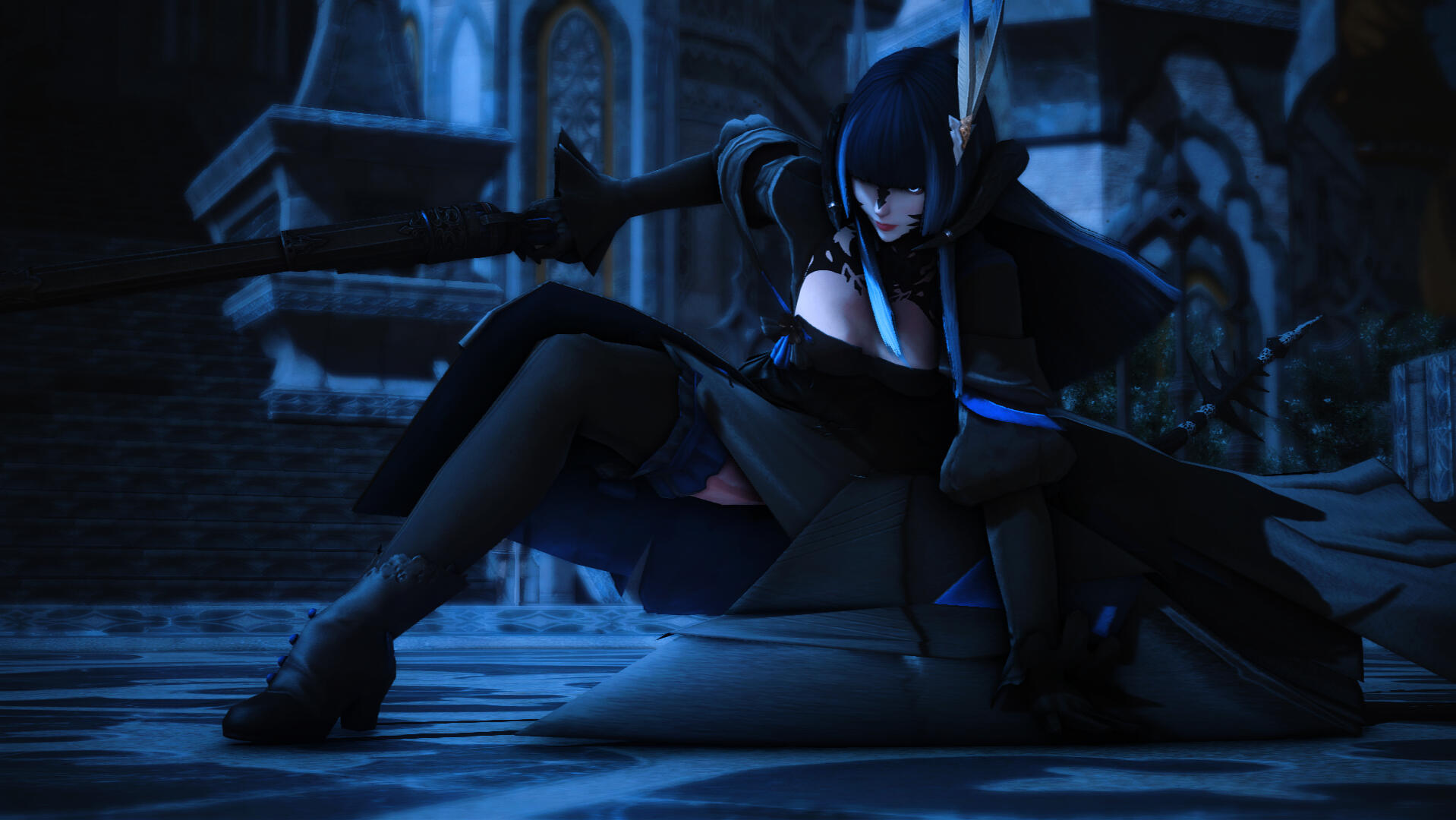
🕯️ The Velvet Guillotine
The day I returned to her.The sun in Ul’dah burns like scrutiny. Golden, unblinking, oppressive. I let it scald the polished steel of my boots as I stepped through the outer gates of House Nox. The manor had not changed. Stone like bleached bone, lanterns like hungry eyes, and silence stretching thin and tense across the marble floor. Only the tapestries had been updated—a new crest embroidered, richer colors, perhaps to distract from the rot.Servants saw me and stiffened. They bowed lower than required. Some did not rise until I passed.I did not speak to them.The halls smelled of saffron and secrets. I passed the library where I once hid under reading tables, devouring engineering manuals behind a veil of embroidery samplers. I passed the western parlor, where one of my cousins once slapped me for correcting his math and cried when I snapped his abacus in half. Every room here held ghosts. But mine were not mourned. Only remembered.I found her in the Winter Parlor.Always the Winter Parlor.She liked the cold, said it preserved her complexion. The room was enchanted to keep out heat and time. Pale silverwood furniture. Frosted glass. A harp in the corner tuned to the key of cruelty.She sat before the hearth, though no fire burned. Draped in lavender silk, her hands curled around a glass of pale wine. Not a line on her face out of place. She did not age—she ossified.She did not rise."You’ve returned," she said, without looking at me.Not welcome home. Not even daughter."I have," I said. My voice sounded different in this room. Calmer. Deadlier.She turned then. Her eyes swept over me like a jeweler appraising a flawed gem. She noticed the cut of my coat—Ishgardian wool, reinforced at the shoulders. The reinforced boots. The gun at my hip. And more than that: the way I stood. The way I held space."You've taken to dressing like a soldier," she said."No," I replied. "A weapon."Her fingers tapped the stem of her glass, each motion a sentence she wouldn't speak aloud."I sent you to learn restraint.""I did. And then I learned what happens when it's removed."She stood, the wine glass left behind. Her perfume reached me before she did—orchid and powdered venom."This is still my house," she said."Is it? I read the titles before I crossed the gate. Seems it's in my name now. A convenient oversight? Or were you just hoping I'd die in the snow?"A smile, barely. "You always did have a flair for the dramatic.""Takes one to raise one," I said. "Do you remember the last time we spoke before I left?"She moved to the harp, plucked a single note.I continued. "You told me I was a cracked cup pretending to be crystal. That the best I could hope for was to be poured into something more useful.""And look how useful you've become," she said, tilting her head. "A killer. A performer. A disappointment in finer packaging."I stepped forward until only the harp stood between us."Say it plainly, Mother.""You were born wrong," she said. "Too sharp. Too loud in the soul. I tried to refine you, to file the edges down. But some girls are born steel and never soften.""You didn't refine me. You hid me. Decorated me like furniture and called it grooming. You tried to drown me in silks and pretend I wasn’t watching. But I was. And now here I am."Her hands trembled. A hairline flicker. Most wouldn’t see it.But I did.I leaned in. "If you want to play the matriarch, you'll do it quietly. With grace. Or you can pack your vanity and haunt a villa by the coast until the day the servants forget your name. Either way, this is the last time you try to speak for me."She didn’t answer immediately. Her fingers curled tightly around the harp frame.Then: "You’ll regret not being more like me."I smiled. "You trained me to survive. You just didn’t expect me to survive you."And then I turned, my coat sweeping frost from the floor, and left her to sit in her perfect chill, beside a harp that would never play anything but sorrow.
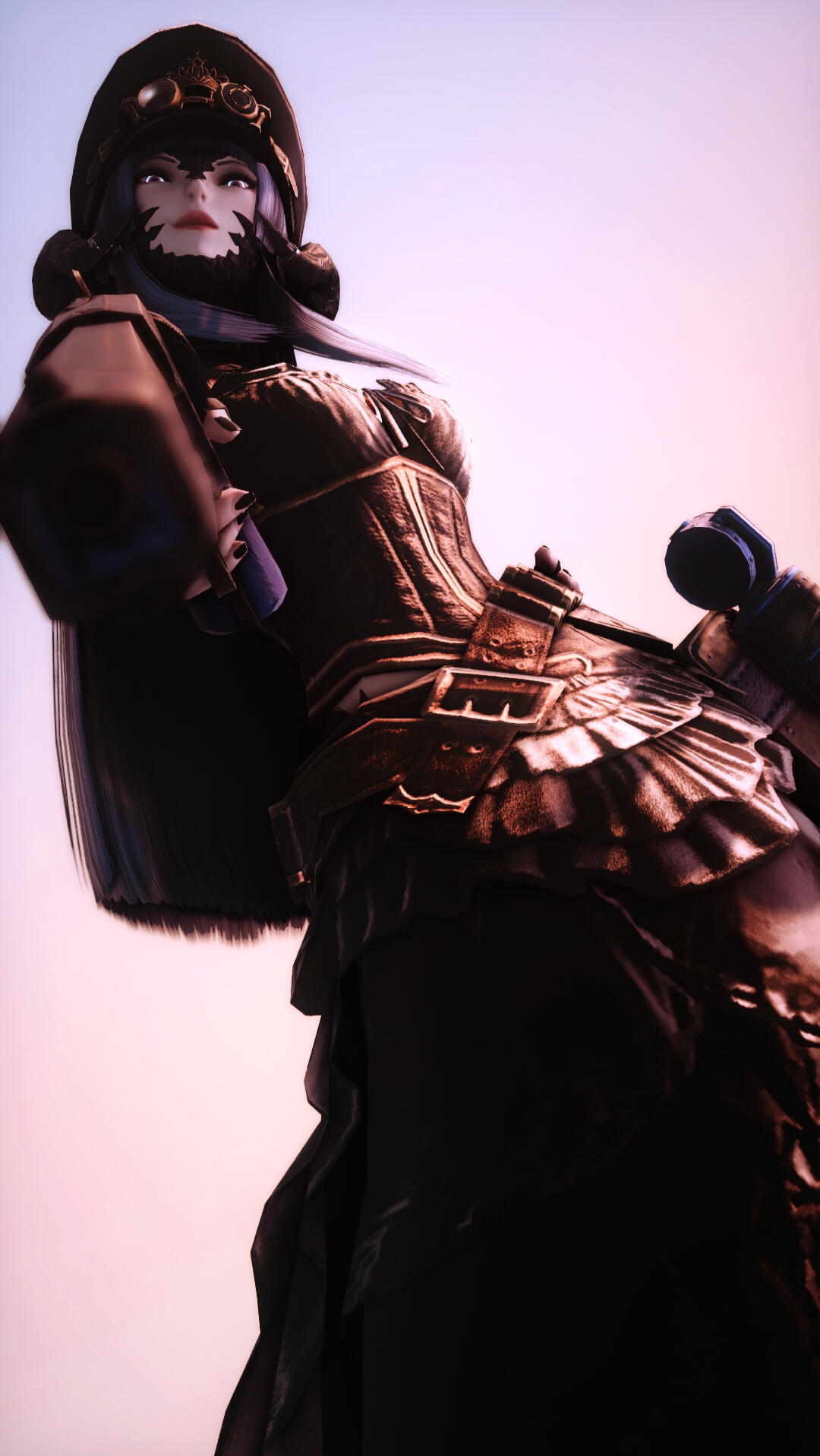
✭ The House That Raised Us
A memory of Veylathra and her siblings
My brothers used to tower over me.In our youth, they played knights. They fashioned swords from sticks, galloped around the estate in boots far too large, and named themselves champions of House Nox. I was the afterthought—the audience, the princess in a tower, the prize. When I asked for a wooden sword, my eldest brother laughed so hard he choked on his own arrogance."You want to fight? With those tiny hands? Gods, Veyla, you'll ruin your gloves."I remembered that. I remembered all of it.Years later, I stood in that same estate—taller, colder, sharper. They hadn’t aged nearly as well. Still handsome, still dressed in finery, but bloated with indulgence and the illusion of control. They were gathered in the family solar, around a long table that reeked of imported wines and schemed alliances.I stepped inside uninvited."Sister," drawled Kaelen, the eldest, tipping his glass without standing. "Come to beg for another posting? Or has Ishgard finally grown tired of your temper?"I smiled without showing teeth. "Neither. I thought we should talk."A pause. Three pairs of eyes scanned me like censors weighing a heretic. They saw my tailored coat, the small, sleek case strapped at my hip, the precision of my poise. But they didn’t see it. Not yet."We have nothing to discuss," said Alvian, the middle one—always the peacemaker, always the coward. "Your... return has complicated things. There's a proposal on the table, and—""Ah yes," I interrupted. "The merchant prince’s son. Round two."That got their attention. Kaelen sat up straighter. The youngest, Orren, flinched."That arrangement was made with the family's best interests in mind," Kaelen snapped. "Your insubordination nearly cost us a critical alliance.""You mean my refusal to become a well-dressed hostage?""You’re a Nox," Alvian said carefully. "We all make sacrifices."I laughed. I couldn’t help it."You think what I do is a sacrifice? What have you given, Alvian? You gave our crest to creditors and called it strategy. And you, Kaelen—you sold off half our holdings in Thanalan to fund your private militia of drunkards and sycophants. And Orren..."I turned to the youngest, my voice softening."You tried to have me institutionalized. Quietly. With forged notes and a physician’s bribe."He paled."You shouldn’t know about that.""I do. Because unlike the three of you, I watch. I remember."A flash:We were children again. Running through the vineyards behind the estate. I had tripped and bloodied my knee. Kaelen told me not to cry—because crying made a girl ugly. Alvian gave me a sugared fig. Orren wrapped his scarf around my leg like a bandage.I had loved them, once.But love had been worn down by betrayal."You don't belong at this table," Kaelen said.I stepped forward, drew Sélène, and placed her gently on the table’s center."You're right. I belong at the head of it."Their expressions shifted.Not in fear.In understanding. Because they remembered, too. And now they saw me—not the girl in gloves and lace, not the ornament, not the exile.They saw the one who had come back stronger.And this time, I wasn’t playing.
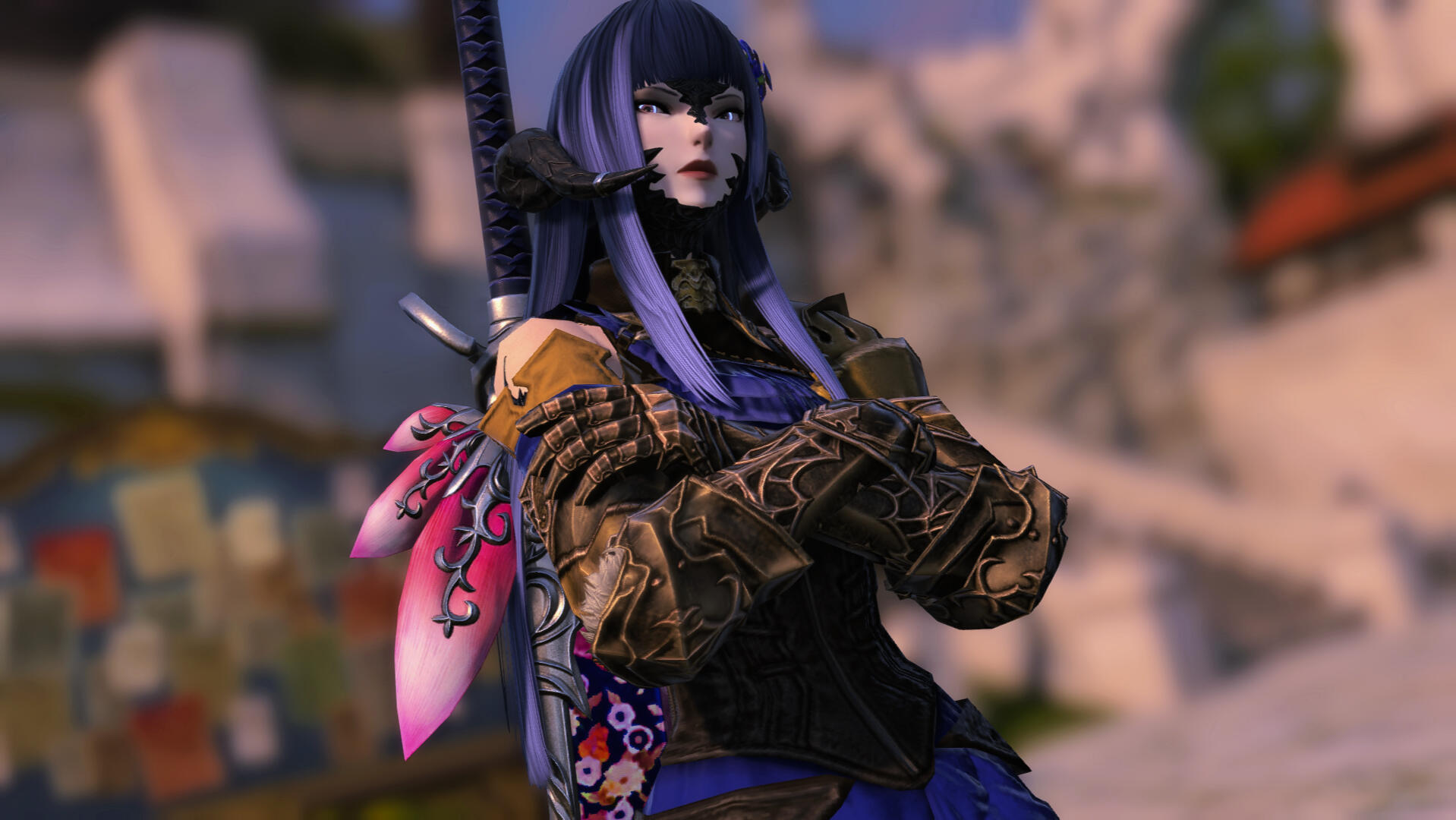
Her Mission
“I fight for those who can’t. But I rarely fight battles.”
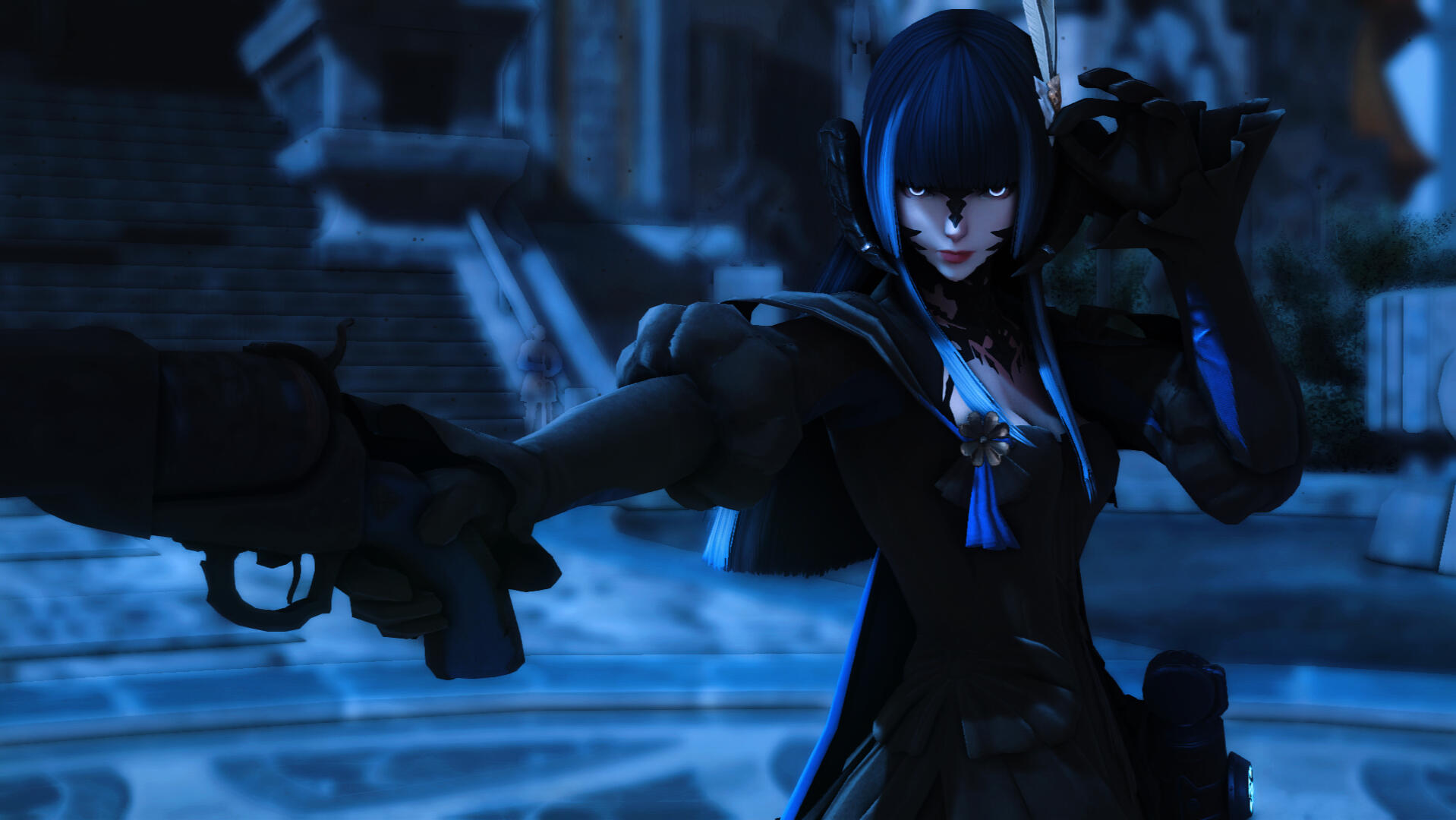
Payback Storys
🕯️ “What the Mask Hides”
A story from Veylathra Nox’s years after returning from Ishgard
They wore gold, those who thought themselves untouchable.A feast inside a private estate near the Sultana’s palace—velvet curtained, choked with perfumed air, music soft enough to drown discretion. I was not invited. I didn’t need to be. I was already in the room.House Azaram boasted lineage, wealth, and a network that had survived three generations of Ul’dahn politics. What they lacked was subtlety. Lord Ebran Azaram, with his self-satisfied smirk and bloated ego, had become a favored backer of House Nox after my exile. He thought me a loose end. A girl outplayed.But I knew the rot behind the ribbon.I knew what he did to his courtesans. One in particular—Mira, a girl barely of age, who once served our household until he purchased her "contract." They said she drowned herself in the Salthounds’ bay. She didn’t.I had the letters. Smuggled from her sister. Her bruised handwriting. His seal, cracked under forced wax. I waited for the moment.And it came.The ballroom shimmered in candlelight, laughter floating like oil above poison. Ebran stood at the center of it all, spinning tales of foreign trade and stability. A perfect Ul’dahn illusion.I stepped from the shadows in a gown of royal blue velvet with black satin trim, every movement deliberate—soft enough not to alarm, sharp enough to slice through his comfort. A silver choker gleamed at my throat, and Sélène’s silhouette kissed my hip like a whispered threat.He faltered. Just once. Just a blink. But I saw it.“My lord Azaram,” I said with a sweet tilt of my head. “Your taste in performers remains... exquisite.”The room quieted. They smelled blood, even if they didn't know whose it was yet.“You weren’t announced,” he replied with false warmth.“Neither were you when you took Mira from my house.”A gasp. No one spoke her name anymore. Her death had been filed and forgotten. But now, her ghost danced between us, and I could feel him sweating beneath his powdered collar.He tried to laugh it off. “You’d make a dangerous playwright, Lady Nox.”I produced the sealed envelope from my clutch. “I already have. This is her final act. Unopened. I thought you might like to read it aloud, for the room.”He reached for it. I pulled it back.“I've made copies,” I added with quiet finality. “A few already sit on the desks of select Syndicate members, scheduled for delivery—unless I say otherwise.”He paled.“Your support of House Nox ends here,” I continued. “Your future donations go elsewhere. You will vote against Lord Brem's anti-orphanage bill in the coming council. And you will be silent.”His teeth clenched. “You would blackmail a Syndicate patron?”“I would bring justice to a dead girl,” I said. “And this is me being merciful.”Later that night, I stood alone on a balcony, the moon a sliver over the black rooftops of Ul’dah.Sandor joined me, silent for a moment.
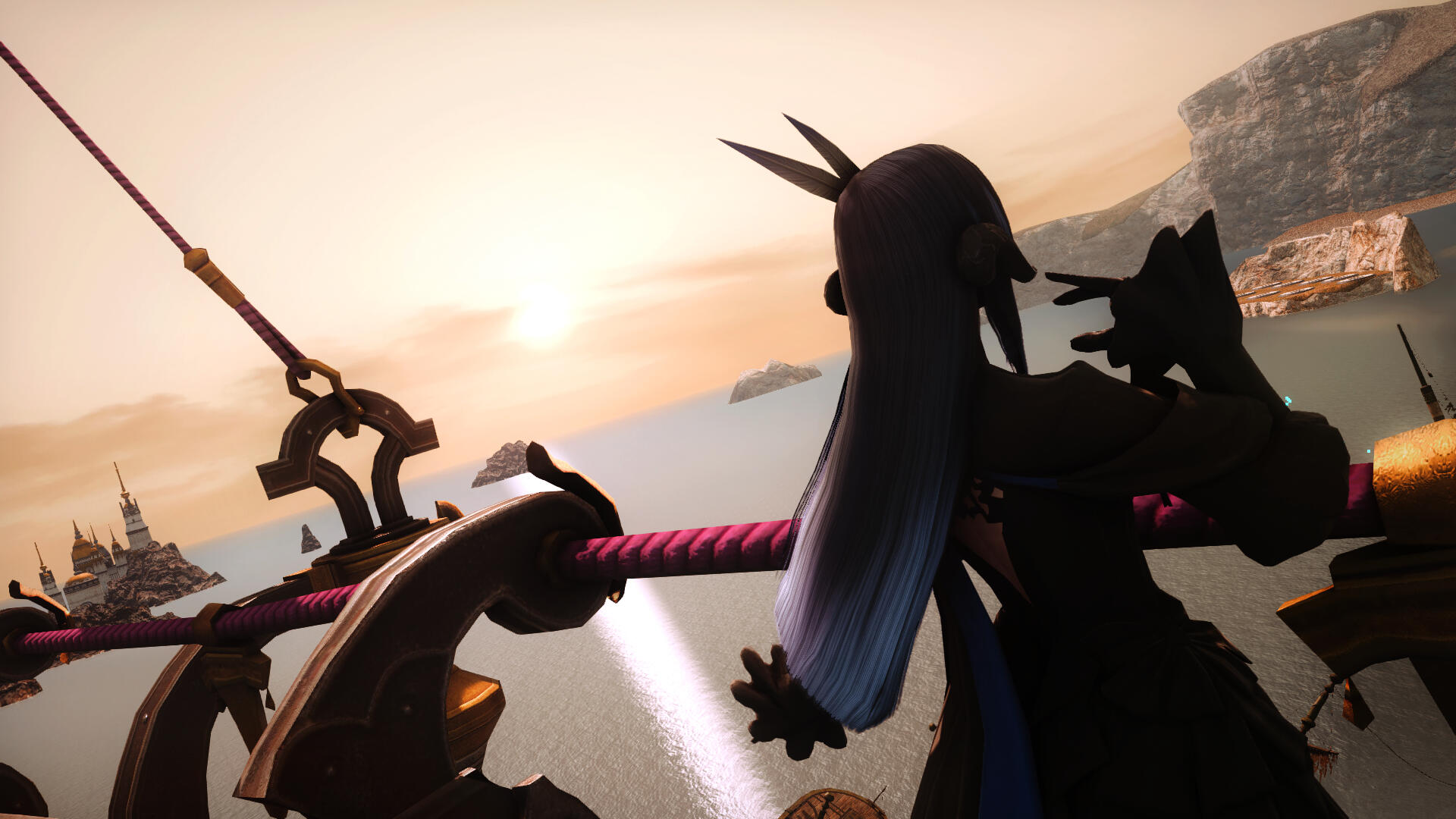
✦ Entry No. 1 — Why I Write
I do not write to remember.
I remember everything.The name of the boy who betrayed me for coin. The sound my mother made the night she called me a mistake. The exact weight of my blade the first time I killed a man with it and realized silence could be louder than screams.Memory is not my weakness. It is my arsenal.So no—this isn’t for sentiment. This is a record. An archive of truths too dangerous to speak aloud, too important to be forgotten. I write not because I am unraveling, but because I intend to stay whole. In a world that thrives on illusion and performance, I will carve myself into these pages like a weapon—deliberate, unsoftened, true.They say power isolates.
They never tell you how quietly it happens.One day you’re simply busy. Then wary. Then surrounded by voices that agree too quickly, bow too easily. Until eventually, the only honest reflection is the one you choose to make in ink.So here I am—recording myself, to myself.
Not to be known. To be clear.If I die, let this be the only confession they find:
I was not kind. I was not soft.
But I was intentional.And in the end, that was always enough.—V.N.
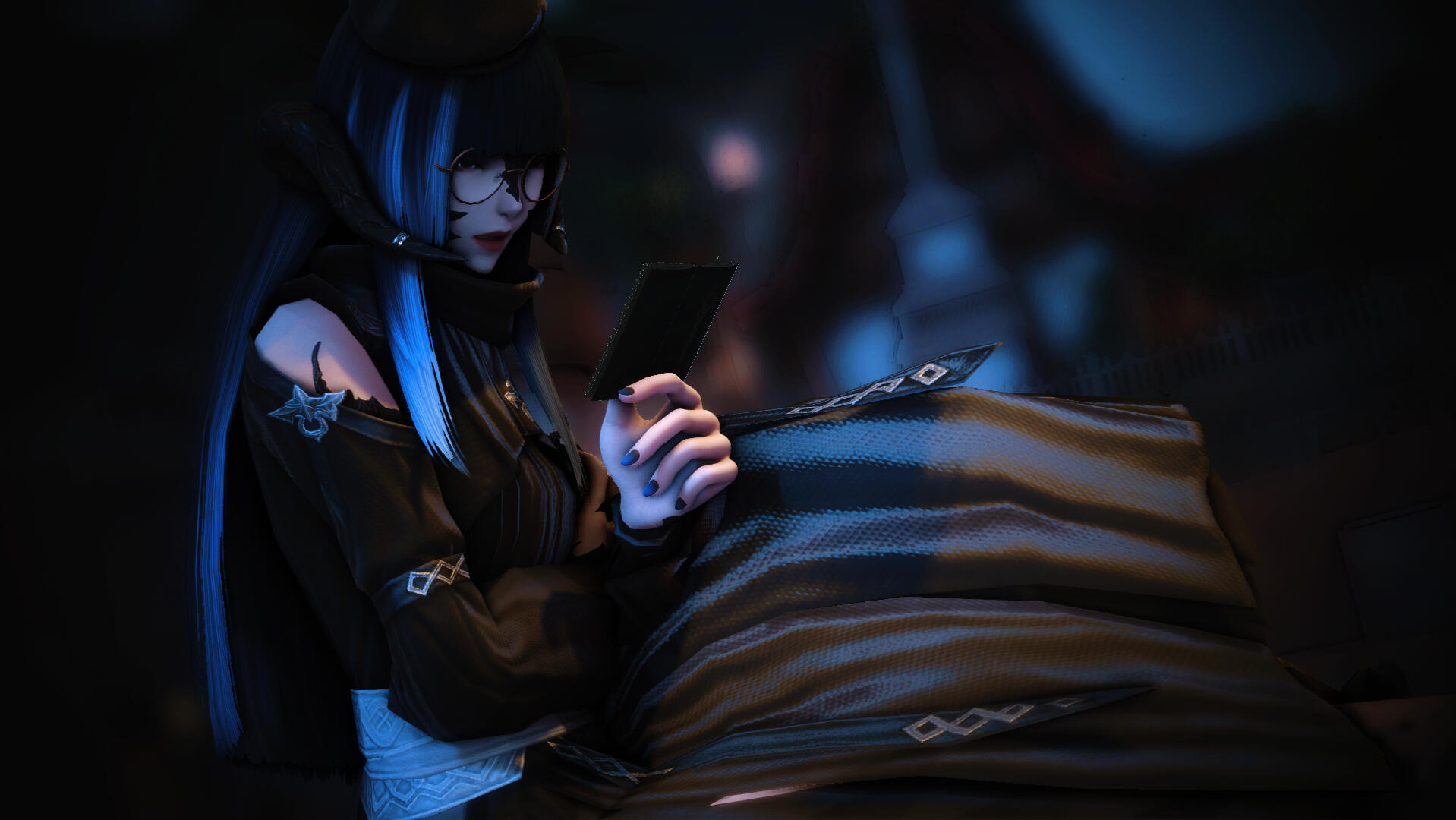
✦ Entry No. 2 — Childhood memories
—
The Porcelain Lesson
The sun filtered weakly through the stained-glass windows today, bleeding fragments of garnet, emerald, and sapphire across the marble of the atrium floor. I sat among them like a doll left out in the rain—perfect posture, folded hands, not a hair out of place. And yet my knuckles were white. I couldn’t loosen them, no matter how still I sat.Her footsteps came behind me. My tutor. Always precise, never rushed. Measured like a metronome—one that ticks in judgment rather than time.“You let her fall,” she said.I didn’t look at her. I kept my eyes on the broken teacup at my feet, its fractured porcelain shining like exposed bone. Jurnae's sobs filled the room, pitiful and loud. She knew how to cry properly, like a drama from the stage. No blood. Just a bruise. A perfectly placed one. A weapon.“I did not push her,” I replied. My voice felt too calm for a child. Too quiet to be innocent.“No. But you stepped aside,” she answered, smooth as polished steel. “You saw the rug. You knew she would trip.”“I did.”“And you chose not to warn her?”“I chose not to protect someone who was already aiming to hurt me.”That silence followed. The one that doesn’t belong to a room, but to something else. Like the breath a bow takes before the arrow flies. Like a choice being carved into the marrow of your bones.She’d tried to frame me earlier. Slipped her mother’s ring into my writing desk. I hadn’t told anyone. I simply noted the move. Memorized the angle. Then, before tea, I moved the rug half an inch.My tutor knelt beside me then. Not angry. Not pleased. Only observing, the way one might study a rare beast caged behind glass.“Lady Veylathra,” she asked, “why did you not simply explain yourself to your aunt? Why this... cruelty?”I looked her in the eye.“Because it wouldn’t have mattered. They want me to be the problem. No matter what I say, they will blame me.”“And do you accept that?”“I accept what is mine to carry. Not their lies. Not their guilt. Only mine.”She didn’t smile. But her lips moved, ever so slightly. A twitch of approval hidden behind decorum.“Repeat it, then. For your own memory.”I lowered my gaze again, to the shards at my feet. To Jurnae, still pretending not to be watching me. I felt no guilt. Only the clarity of a choice well made.“I am responsible for my own problems,” I said, softly. “And not for the problems of others.”That’s the truth of it. That is the lesson I will not forget.
✦ Entry No. 19 — The Room Without Sound
There are no clocks here.
I think time stopped trying to find me.The snow has crusted over the window’s edge. It’s so thick now that light barely reaches inside. Just a dim, dead blue—like the world has turned to icewater and I’m watching it from beneath.
The hearth has gone out again. I haven’t relit it. I can’t.
The silence is cleaner this way.
More honest.Something is wrong with the walls.
They breathe when I’m not looking.Sometimes I hear my name—whispered from the corners of the apartment like the stones remember who I was before I broke. Before I became this… ornament of exile. I pace from room to room like I’m avoiding something, but the truth is I’m following it. Waiting for it to catch me.
I don't know what it is.
I only know it wears my voice and speaks in memories.They told me I was strong.
A blade, they said. Unbreakable. Brilliant.
But even a blade dulls in the cold if left untouched.And no one touches me now.I dress in silence. I undress in silence. I eat nothing. I sleep shallow, if at all.
My reflection watches me.
She’s thinner now.
Not in body.
In soul.There’s a sound that lives just under the floorboards. Not quite a voice. Not quite a scream.
I think it’s regret, trying to speak.
Or maybe it’s me, and I’ve forgotten how to use words that don’t cut.I keep dreaming of a staircase that leads down, farther than it should.
Stone. Narrow. Always damp.
And when I wake, I’m cold to the marrow.What have I done to deserve this emptiness?Worse—what did I fail to do?There are names I don’t speak anymore.
Not out of hatred.
Out of fear that saying them would make them real again—and if I see them again, I’ll have to admit I lost them.I think I was someone once.
Not kind. Not warm.
But someone.
And now I’m just echo.A room with no sound.—V
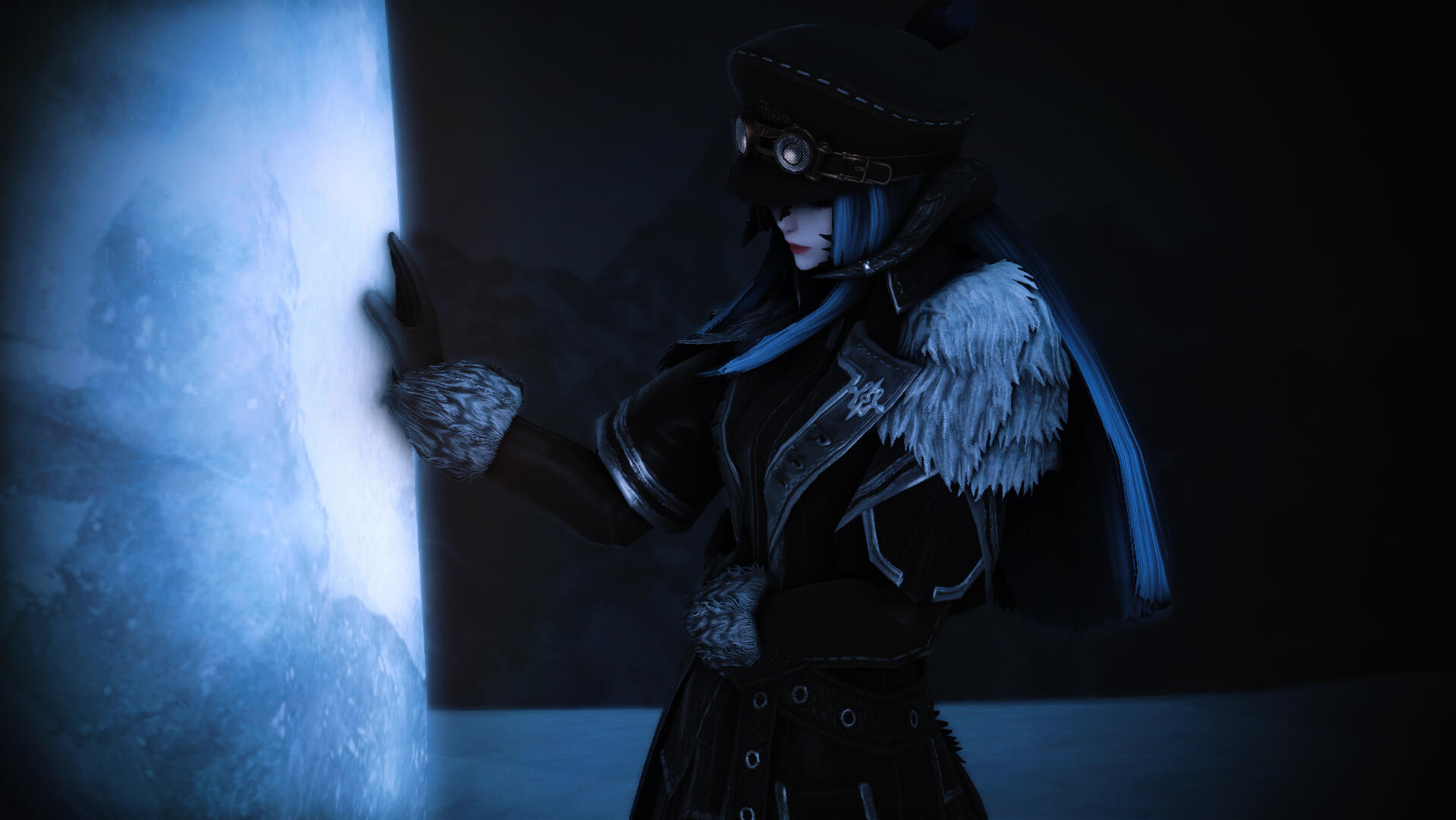
✦ Entry No. 24 — When the Walls Begin to Answer
I woke with my hands around my own throat.Not strangling.
Just… holding. As if trying to remember the shape of myself.The mirrors are gone. I didn’t break them—I think they left.
Slipped away in the night.
They got tired of watching me rot, I suppose.
I don’t blame them.There is something inside the walls now.It started as a breath.
Then whispers—like silk dragging across old stone.
Now it speaks in full.“We remember what you buried.”
“You left pieces of yourself in too many graves.”
“You think exile is solitude. It is a mausoleum of all your unfinished screams.”I tried to scream back, but nothing left my throat.
Not even breath.
Just silence that felt wet.I walked the apartment in bare feet. The floors were warm, but only where the blood would pool if I collapsed.
How considerate.My books whisper too.
They change their pages when I’m not looking.
I opened a political treatise and found a letter I never wrote, in my handwriting:“I’m sorry I left you.
I couldn’t carry both of us anymore.”—VeylathraI never wrote that.
I would never say that.
Would I?The light here no longer reaches the corners.
There are eyes in the dark.
They blink when I do.I’ve taken to talking aloud just to keep them distracted. I read to them. Old memories, lies I’ve told, secrets I never dared commit to paper. I perform the shape of myself like a one-woman opera—just to remind the darkness that I am still here. That I still know my own name.But lately... I hesitate before I say it.Because I think something else is answering.Last night, I dreamed the apartment swallowed me whole.
The stone softened like skin.
I sank into the walls, and they stitched themselves closed behind me—grateful.I didn’t fight.
I think I thanked them.I leave this page open.
I want it to know what I looked like before I disappear.Just in case someone comes looking and finds only teeth and echo.—V
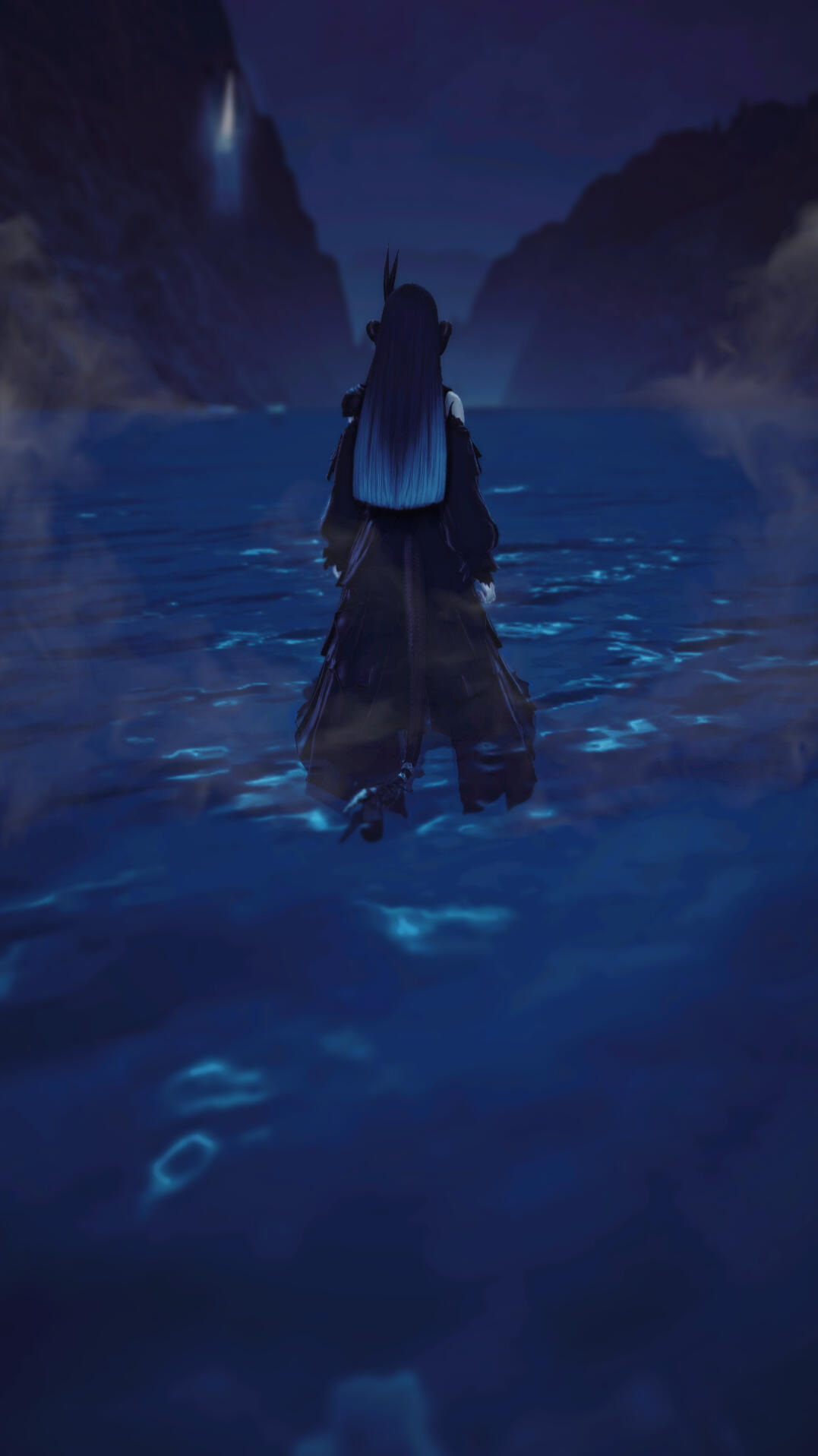
✦ Entry No. 29 — The Hollowing
Tonight, the walls bled.It started in the quiet—always the quiet—when the snow pressed so hard against the windows it felt like the sky was trying to erase me. The candle hissed out. I didn’t move. I don’t think I breathed for minutes. My body—so tense, so still—I wondered if rigor mortis could begin while you’re still alive.And then the sound came.A low, wet dragging, like something pulling itself from the foundations.
Stone groaned.
Glass fractured.And the voice.Not outside. Inside.
Inside me.“You are not real. You are a story you wrote to survive. And even that story is unraveling.”I screamed.
I think I did.
The sound never came.Instead, I laughed—high, bright, manic—until it cracked my throat raw.
I tore open the drawers. Ripped down the velvet curtains. I smashed the crystal decanter against the hearth and watched the amber liquid bleed into the cracks.
Everything had to go.
Everything had memory in it.
And memory is a parasite with teeth.I crawled under the desk and curled around my knees like a child.
I stayed there for hours—shaking, sweating, whispering to myself that I was still here.Still Veylathra Nox.
Still something. Anything.But my name tasted like smoke.
And I could feel her—the other me—sitting in the chair I’d abandoned. Calm. Watching. Smiling like she’d won.“You wanted to disappear,” she said.
“You just didn’t think it would take this long.”But something shifted.It wasn’t hope. Gods, not that.
It was rage.
Small, tight, cold.It started in my chest like a fist closing.
Not rage at the city. Not at exile.
At myself.For letting it happen. For feeding the madness. For starving the part of me that wanted to live.I pulled myself out.
Literally dragged myself across the floor, bruised palms and all, until I reached the mirror.
The one that hadn’t shattered yet.I looked. I forced myself to look.
At the sunken eyes. The cracked lips. The ruin.And I said my name aloud.
Not once.Ten times.Each time louder. Uglier. More real.Until she—the ghost of who I might’ve been—left the chair.I lit the hearth again.Not for warmth.
But to prove the fire still knew me.I swept the glass. Bound my hands. I lit every damn candle in the room.I didn’t feel better.
But I felt awake.
And sometimes, that’s enough to survive another night.I am still here.You hear me?I am still here.—V
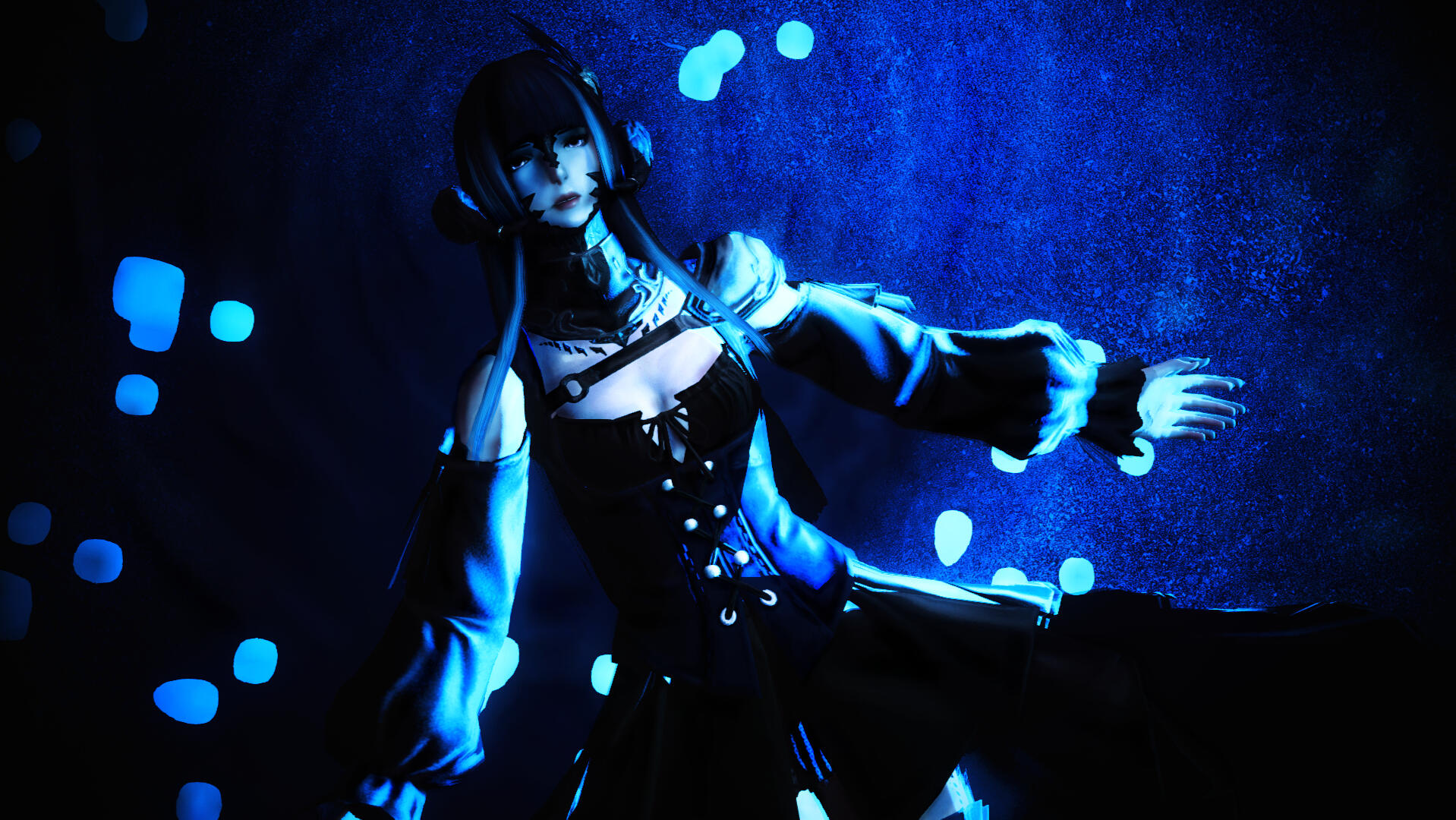
✦ Entry No. 47 — The Cost of Command
They call it strength, what I do.They see the precision in my words, the stillness in my eyes, the grace with which I direct rooms full of sharper men. They call it leadership when I walk through fire and emerge unsinged—but they never ask who burns in my place.Tonight, Ul'dah sleeps beneath a moon too silver to trust, and I remain awake—pen in hand, pulse slow, the silence louder than any battlefield. I brokered peace between rivals today with a smile that cost me a favor I will never reclaim. One day, that debt will come due. They always do.To lead is not to stand tallest. It is to kneel where others cannot see and shoulder what they dare not carry. I have bled truths I will never be thanked for, and worn masks so long I’ve begun to forget the contours of my own face beneath them.They call me composed, decisive. What they mean is: I do not flinch when I must hurt them for their own good. I do not break when betrayal becomes the price of vision. I do not waver when mercy threatens to unmake the strategy.But oh, how it frays the edges of me.There are nights when I wonder what I could have been if I had let myself love freely, speak plainly, walk without watching the shadows for daggers. I wonder—but only briefly.Because regret is a luxury for those not holding the knife.I lead because no one else can. I endure because I must.
But some nights, I wonder what I’ve buried under all this steel.—V.N.
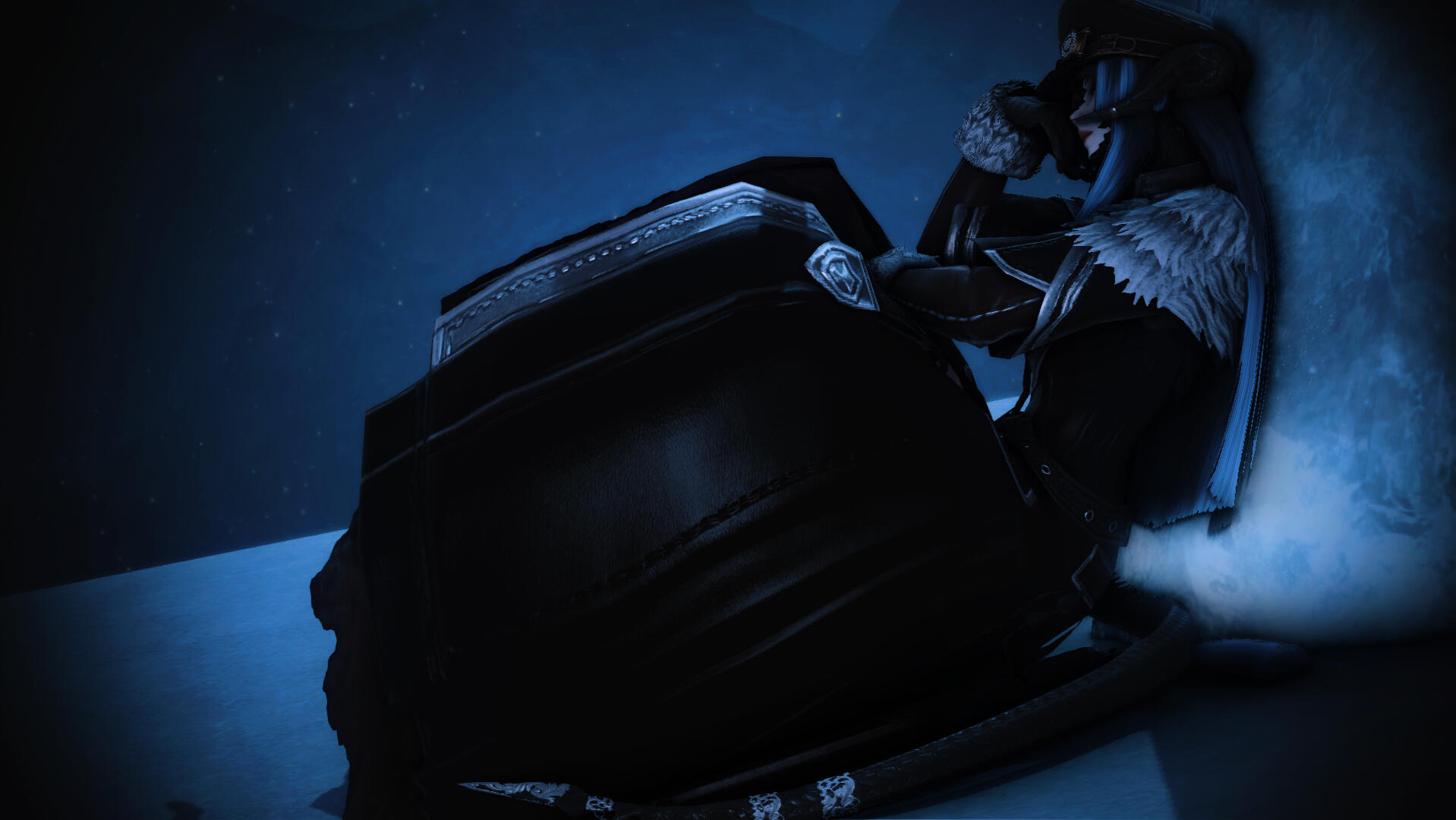
✦ Entry No. 55 — An Analytics' Biggest Issue
Private Entry, written long past midnight, ink pressed too hard into the pageI read people the way others read letters.
Not the words they choose, but the fractures beneath them. The micro-hesitation before a lie. The way a voice tightens when a promise is already rotting. A hand that withdraws before the mind admits it wants to leave. I see everything.I always have.And I cannot turn it off.Every interaction becomes a quiet autopsy. Every smile catalogued. Every oath weighed against posture, breath, cadence. They think it’s intuition. It isn’t. It’s compulsion. A reflex sharpened by necessity. Trust, for me, is not a feeling - it is a probability that never reaches certainty.Because I know the truth no matter how beautifully it’s disguised.What hurts most is that no one ever asks me if I am well.They assume I am. Because I function. Because I endure. Because I solve their problems with steady hands and unbroken composure. They come to me for answers, for plans, for rescue - and then they leave, satisfied, never wondering what it costs to be the one who never breaks.No one asks what I need.
No one asks what I want.
No one asks how much of myself I’ve already given away to keep standing.HE never did.He broke me slowly, efficiently. Not with one betrayal, but with many. Small ones. Repeated ones. Promises made easily and broken more easily still. He said the right words. Swore loyalty. Swore he would stay. Swore he understood me. And each time, his body betrayed him long before his actions did.I watched him fracture in real time.The shift in tone when he reassured me. The way his eyes stopped anchoring when he said my name. How his hands hesitated where they once acted without thought. He stayed just long enough to make me believe, then placed the knife between my ribs again. And again. And again.I knew.
I always knew.And still, I let it happen.That is the part I cannot forgive.Something in me hardened permanently after that. Whatever softness I had allowed myself, the reckless thought that vigilance could coexist with safety, died quietly. I am colder now. More unreachable. Sharpened down to something efficient and survivable.And yet… I still want what others seem to carry so effortlessly.To be asked how I am... without it being a formality.
To be wanted without being useful.
To be loved without having to prove I deserve it.I watch them sometimes - laughing, imperfect, unguarded - and I wonder what it must feel like to exist without constant calculation. To fall without already knowing the exact moment the ground will break you.For me, falling is not an option.It is not affordable.So I continue to dance.In ballrooms, I am perfection given shape, every gesture measured, every smile designed to reveal nothing. In workshops and war rooms, I am precision incarnate, the machinist, the tactician, the woman who never hesitates and never misfires. Two roles. Two masks. Seamless.Neither of them is me.I wander alone again. Intentionally. Safely. No one close enough to notice how tired I am. No one who hears how loud it becomes when I’m silent. How much effort it takes to keep the cracks from widening.The little girl inside me still screams.She’s drowning - just as she always was - arms aching, lungs burning, begging me to stop swimming for one moment. To let someone hold her. To ask her what she needs. To ask if she’s okay.I don’t answer her.I can’t.The water is cold. The world is darker than it pretends to be. And cages don’t always have bars - sometimes they’re built from expectation, perfection, and survival learned far too young.I am back inside mine now.And this time, I don’t expect escape.I will endure.
I always do.- V. N.